X-Ray
Fast and accurate diagnosis with digital X-ray.
Read More
As VitaVet Veterinary Clinic, led by Veterinarian Mehmet Ali Avcı, we are here to provide the best care for your companions. With our modern equipment and experienced staff, we serve your pets' health 24/7.
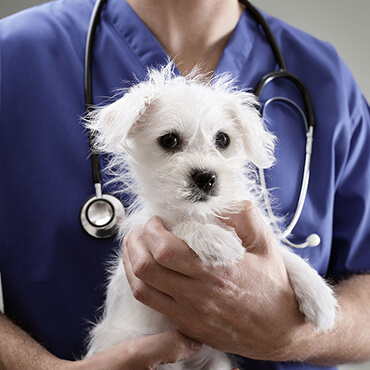


As VitaVet Veterinary Clinic, we are here to provide the best care for your companions.

As VitaVet Veterinary Clinic, led by Veterinarian Mehmet Ali Avcı, we are here to provide the best care for your companions. With our modern equipment and experienced staff, we serve your pets' health 24/7.


We received wonderful care for our friend, thank you very much.

A very attentive and professional team.

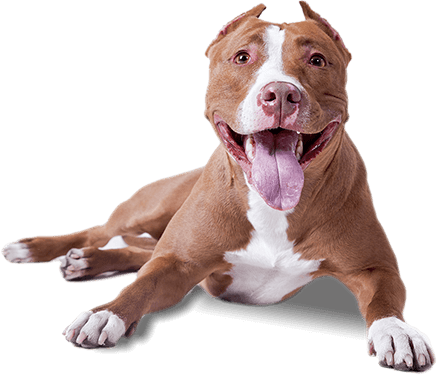
Spaying and neutering are common surgical procedures performed in cats and dogs to control reproduction. These procedures are not only used to prevent unwanted pregnancies, but can also provide important health benefits and help reduce the risk of certain reproductive diseases.

Regular veterinary check-ups and a proper vaccination program are essential for helping cats and dogs live a healthy, long and comfortable life. Vaccinations not only protect our pets against serious and contagious diseases, but also help reduce the spread of infectious diseases and, in some cases, zoonotic diseases that can affect humans. However, there is no single vaccination schedule that is suitable for every cat and dog. A vaccination program should be tailored to each individual animal based on factors such as age, lifestyle, contact with other animals, geographical location, travel history, health status and potential exposure to infectious diseases. The World Small Animal Veterinary Association (WSAVA) recommends classifying vaccines as core vaccines and non-core vaccines, depending on the individual animal's risk factors. Why Are Vaccinations So Important? When the immune system encounters an infectious agent, it learns to recognize and respond to it. Vaccines safely expose the immune system to specific antigens, allowing it to develop an immune response before the animal encounters the actual disease. This is particularly important in puppies and kittens because their immune systems are still developing and they can be more susceptible to infectious diseases. Young animals also receive maternal antibodies from their mothers, particularly through colostrum. These antibodies can provide protection during the first weeks of life. However, maternal antibodies gradually decline and, while present at sufficient levels, may interfere with the effectiveness of some vaccines. For this reason, vaccines in puppies and kittens are administered at specific intervals rather than as a single dose.